
Aug 21, 2026Amazon FBA E-commerce Selling
Amazon FBA Massager Sourcing Guide-- How to Avoid Quality & Compliance Pitfalls
A practical guide for Amazon sellers sourcing massage devices — FNSKU labeling, FDA/FCC certification, packaging and drop test standards that keep shipments out of trouble.

Amazon FBA Massager Sourcing Guide--How to Avoid Quality & Compliance Pitfalls
Meta description: A practical guide for Amazon sellers sourcing massage devices — FNSKU labeling, FDA/FCC certification, packaging and drop test standards that keep shipments out of trouble.

Selling a massager on Amazon comes with a layer of rules that a regular export order doesn't have to deal with. It's not just "does the product work" — it's does the label scan correctly at the warehouse, does the box survive Amazon's handling process, and does the paperwork hold up if compliance ever asks for it. Most FBA problems with massage devices aren't actually product defects. They're sourcing and prep issues that show up after the shipment's already on a boat.
Here's what to get right before your first FBA shipment, not after it gets flagged.
1. Packaging that's built for Amazon's warehouse, not just a nice unboxing
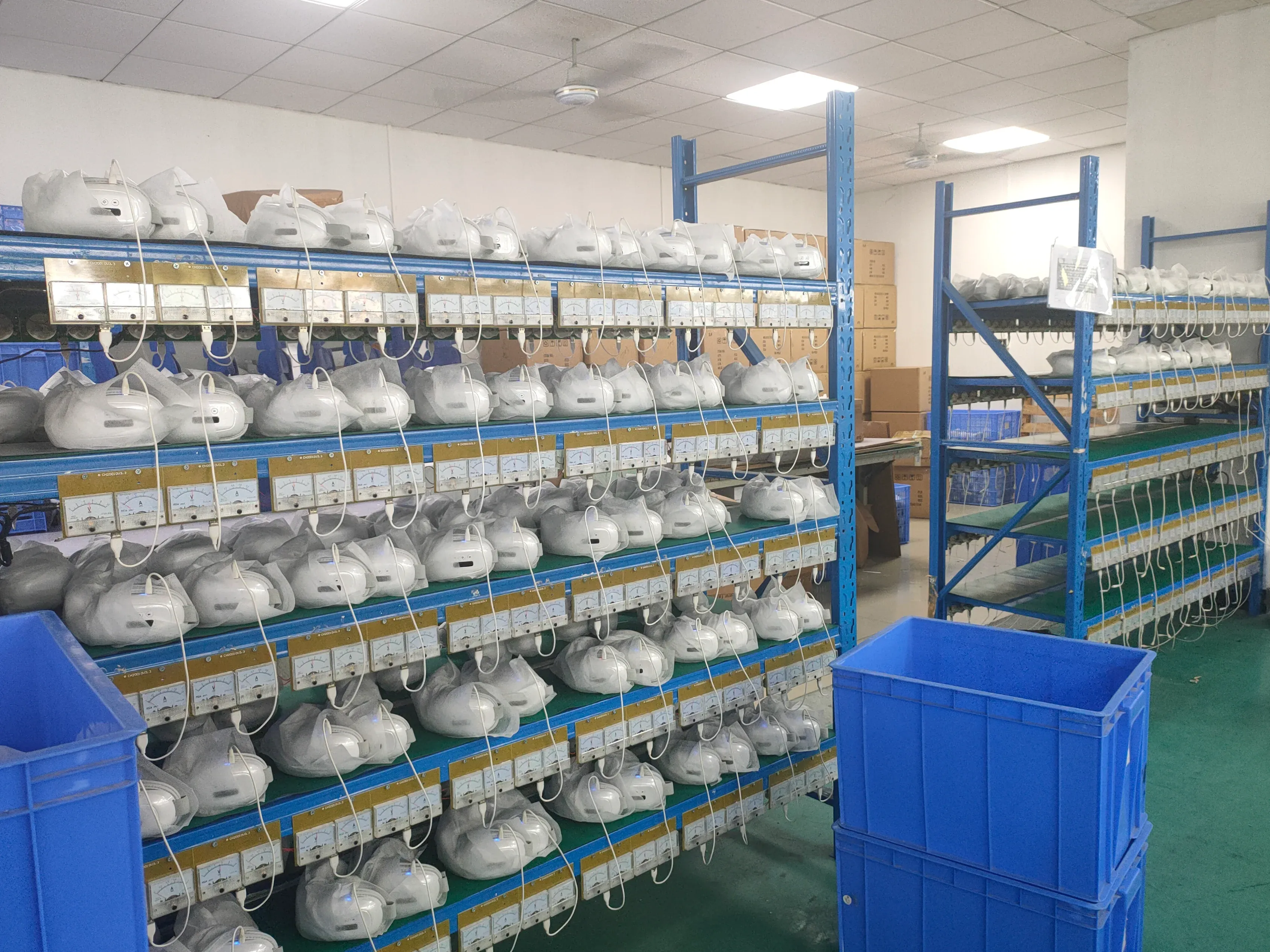
Amazon's fulfillment centers are rough on boxes — conveyor belts, sorting machines, stacking. A retail box designed to look good on a shelf doesn't automatically hold up to that. If your factory is used to shipping wholesale or to distributors, they may not have FBA-specific packaging experience, and it's worth asking directly.
A few things to confirm with your supplier:
- Poly bag requirements for any item with a strap, cord, or opening that could pose a suffocation risk (Amazon requires a suffocation warning on bags over a certain size)
- Whether the outer carton meets Amazon's weight and dimension guidelines for your shipping plan — getting this wrong doesn't just cause delays, it can trigger overweight or oversize surcharges on every unit in the shipment
- Cushioning appropriate for anything with a motor, heating element, or glass/plastic component that could crack under pressure.
2. FNSKU labeling — small detail, big consequences if it's wrong
FNSKU labels are how Amazon tracks your inventory once it hits their warehouse, and a mislabeled shipment can mean commingled stock, delayed receiving, or units getting rejected outright. If you're having your factory apply FNSKU labels before shipping (which most sellers do, since it's far cheaper than paying Amazon to do it), a few things matter:
- The barcode needs to scan cleanly — print quality and contrast matter more than people expect, so ask for a test scan on a sample unit, not just a visual check
- Placement matters: it needs to be on a flat surface, not over a seam or curve where it might not scan
- If you're shipping multiple SKUs or variations, confirm the factory has a system to avoid mixing up labels between batches — this is a more common mistake than people expect when a factory is running several private-label orders at once
Ask your factory whether they've done FNSKU labeling before, specifically for Amazon, not just "custom labeling" in general. There's a real difference in experience level here.
3. FDA and FCC — know which one actually applies to your product
This trips up a lot of first-time sellers. FCC certification applies to anything with electronic components that could cause interference — which covers most massagers, since they have motors or circuitry. FDA involvement depends on what the product claims to do. A basic massager marketed for relaxation is usually treated differently than one marketed with therapeutic or medical claims (pain relief, circulation improvement, etc.) — those claims can pull the product into FDA medical device territory, which is a much heavier compliance path.
Before you finalize your product listing and packaging copy, it's worth checking:
- Whether your intended marketing claims change the product's regulatory category
- That your FCC test report covers the exact model and any variants (different colors or minor spec changes can sometimes require separate documentation, depending on what changed)
- Whether your supplier can provide documentation quickly if Amazon requests it — this happens more often for health and personal care categories than most sellers expect
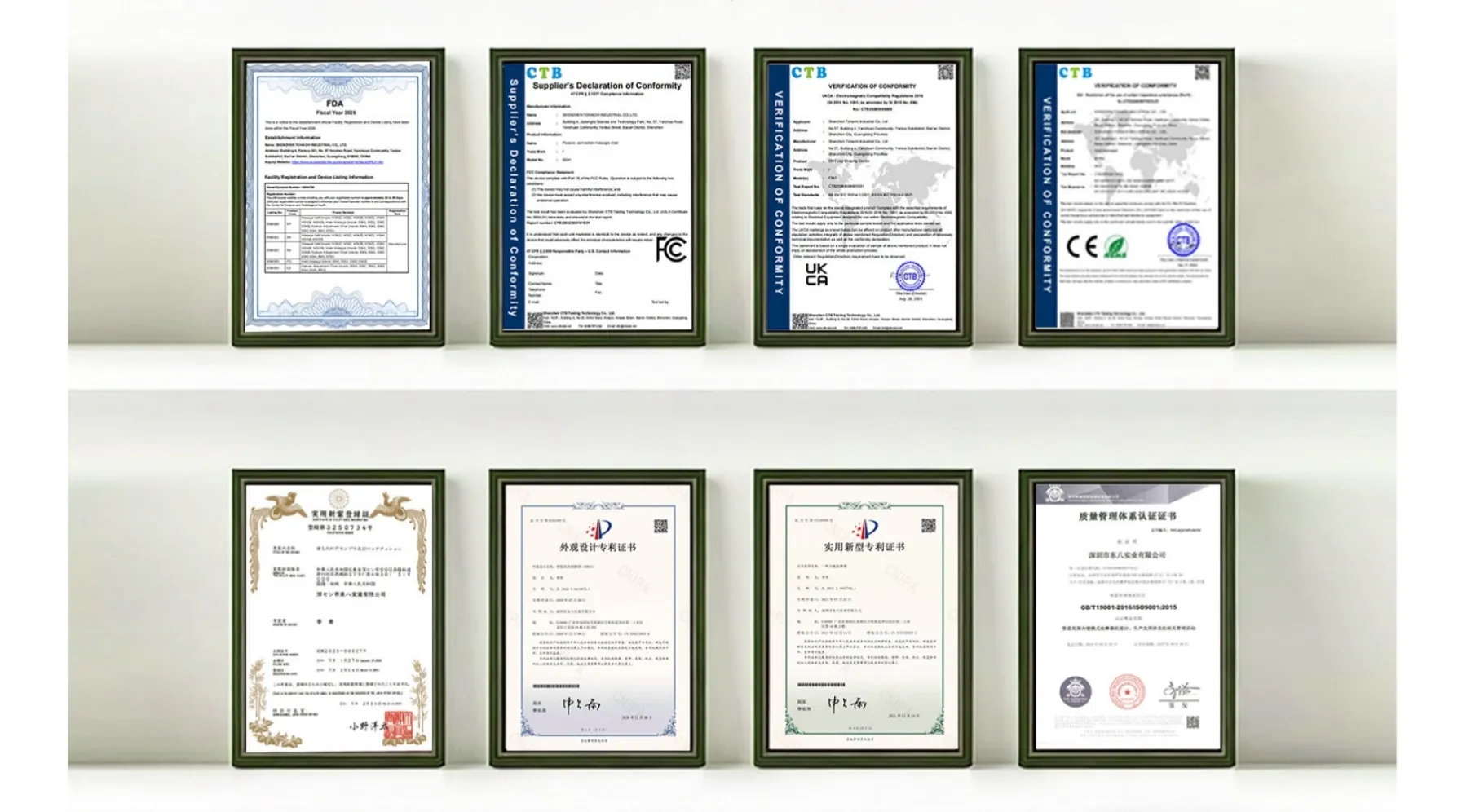
We keep certification documentation on file for exactly this reason — you can see what we typically provide on our certifications and quality control page.
4. Drop test standards — the test that predicts your return rate
A drop test simulates what happens when a box gets dropped, tossed, or stacked wrong somewhere between the factory and the customer's doorstep — which, realistically, happens to a lot of Amazon packages. ISTA 6-Amazon (sometimes called the Amazon-specific ISTA standard) is the benchmark most FBA sellers should be asking about, since it's built around Amazon's actual handling conditions rather than general shipping.
A proper drop test checks the package from multiple orientations — corners, edges, flat sides — usually from a height that simulates a worker dropping it off a cart or shelf. For a massager, this matters more than it might for a simpler product, because there's usually a motor, a battery, and sometimes glass or ceramic heating components inside, any of which can be damaged by an impact that the outer box survives just fine visually. This is usually what's behind a high "dead on arrival" (DOA) rate — customers who open a box that looks undamaged and find a unit that doesn't turn on.
Ask your factory directly: have they run drop tests on this specific packaging, and can they share the report. If the answer is "we've never had a complaint," that's not the same as a passed test.
Red flags specific to FBA sourcing
- A factory that's confident about product quality but vague about FNSKU or Amazon-specific packaging experience
- No willingness to run or share a drop test report
- Certification that covers the product generally but doesn't map cleanly to your specific marketing claims
- Labeling handled by whoever's available that day, rather than a consistent process across batches
None of these mean a factory is bad at making the product itself — plenty of good manufacturers just haven't worked with FBA sellers enough to have this dialed in. It's worth asking directly rather than assuming.
FAQ
Does my factory need to be FBA-experienced, or can any factory do this? Any competent factory can learn FBA requirements, but one that's already done it for other sellers will save you a lot of back-and-forth. Ask how many FBA clients they currently work with and whether they can show a packaging sample that's already passed Amazon's requirements.
Who's responsible if a shipment gets rejected for bad labeling — me or the factory? Contractually, that depends on your agreement, but practically, it's your inventory sitting in limbo either way. It's worth building a sample-check step into your process — get a labeled sample before the full batch ships, not after.
Do I need a drop test for every new product, or just once? Generally once per packaging design, but if you change box size, cushioning, or add a new SKU with a different weight or shape, it's worth retesting. A drop test result from a different product doesn't necessarily apply.
What's the difference between FCC and FDA for a massager? FCC covers electronic interference and is required for essentially any device with motors or circuitry. FDA becomes relevant if your marketing makes health or therapeutic claims. A device marketed purely for relaxation usually stays out of FDA's medical device category — but the line depends on your specific claims, so it's worth checking rather than assuming.
About Zonyou
Shenzhen Zonyou Intelligent Technology Co., Ltd. has been manufacturing massage and beauty devices since 2013, including eye massagers, knee massagers, waist massagers, hand massagers, and LED beauty devices. We work regularly with Amazon sellers on FBA-ready packaging, FNSKU labeling, and drop-tested cartons, alongside our standard CE, FCC and RoHS certified production.

Curious how our sourcing guide applies to your situation? Take a look at our broader guide to choosing a reliable massage device manufacturer, or get in touch and we'll walk through your specific product and Amazon requirements together.