Sep 3, 2026Product Knowledge
How to Choose a Reliable LED Beauty Mask Manufacturer
A checklist for vetting LED beauty mask manufacturers — certifications, LED wavelength accuracy, QC, MOQ and ODM support for beauty brands.
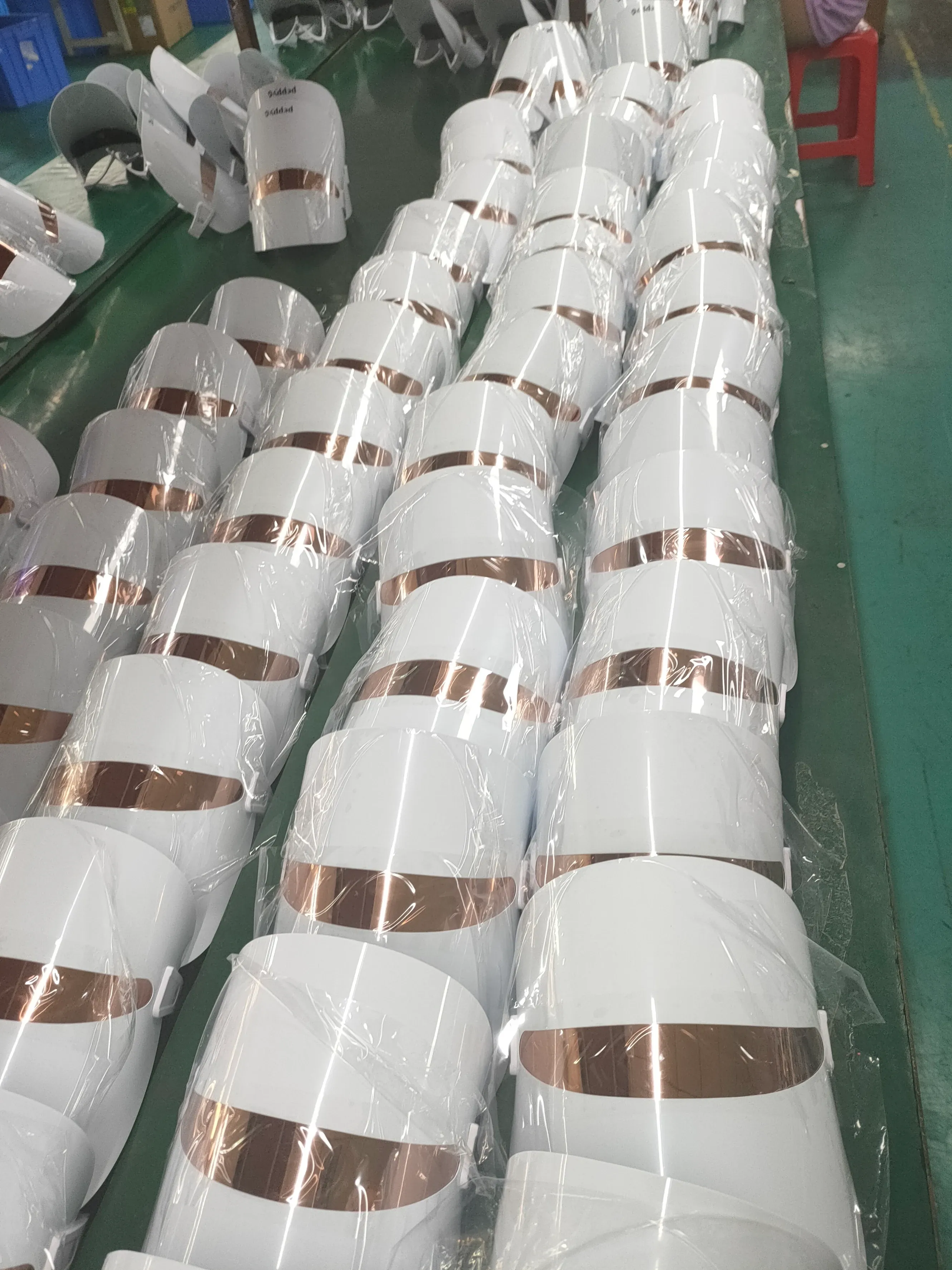
An LED beauty mask sits directly on someone's face and runs light therapy for anywhere from ten minutes to half an hour at a time. That's a device where the details actually matter — an inconsistent LED, a heat issue, or a build quality problem doesn't just mean an unhappy customer, it can mean a return, a bad review describing skin irritation or discomfort near the eyes, or in rare but real cases a safety complaint that follows your brand around. If you're sourcing this category, the manufacturer you pick is doing a lot more than assembling parts — they're the thing standing between your brand and that kind of problem.
Here's what actually separates a reliable LED beauty mask manufacturer from one that just looks fine on a supplier directory.
Certifications aren't optional here
If you're selling into the EU or US, CE, FCC and RoHS aren't a nice-to-have — they're what makes the product legal to import and sell, and what most retail and marketplace platforms will ask for eventually. Ask for the actual test report, not just a claim that the product is certified, and check it covers the exact mask model you're ordering. It's common enough for a factory to show a certificate for a similar but different SKU, especially if a design has been updated since the cert was issued.
LED quality is where cheap masks usually fall short
This is the part that's easy to overlook if you're comparing suppliers mostly on price. Not every LED is built the same — wavelength accuracy and consistent output across the panel are what actually make a light therapy device do what it claims to do. A poorly made mask might use LEDs that drift off the intended wavelength, or that vary noticeably from one unit to the next.
Ask the factory directly how they test wavelength and uniformity, and whether that's checked on every unit or just a sample batch. A factory that takes this seriously will usually check output with a spectrometer against each LED batch, rather than just trusting the spec sheet from whoever supplied the LEDs — that's the difference between "we use good LEDs" and actually being able to prove it.
As a rough reference, most light therapy LEDs fall into a few common ranges depending on what they're meant to do:
Light color | Typical wavelength | Common use |
|---|---|---|
Red light | ~620–700nm | Skin tone, general rejuvenation |
Near-infrared | ~700–1000nm | Deeper tissue penetration |
Blue light | ~415–450nm | Often marketed for blemish-prone skin |
You don't need to become a lighting engineer to source this category, but knowing roughly where a claimed wavelength should fall makes it a lot easier to tell a real spec from a rounded-off marketing number.
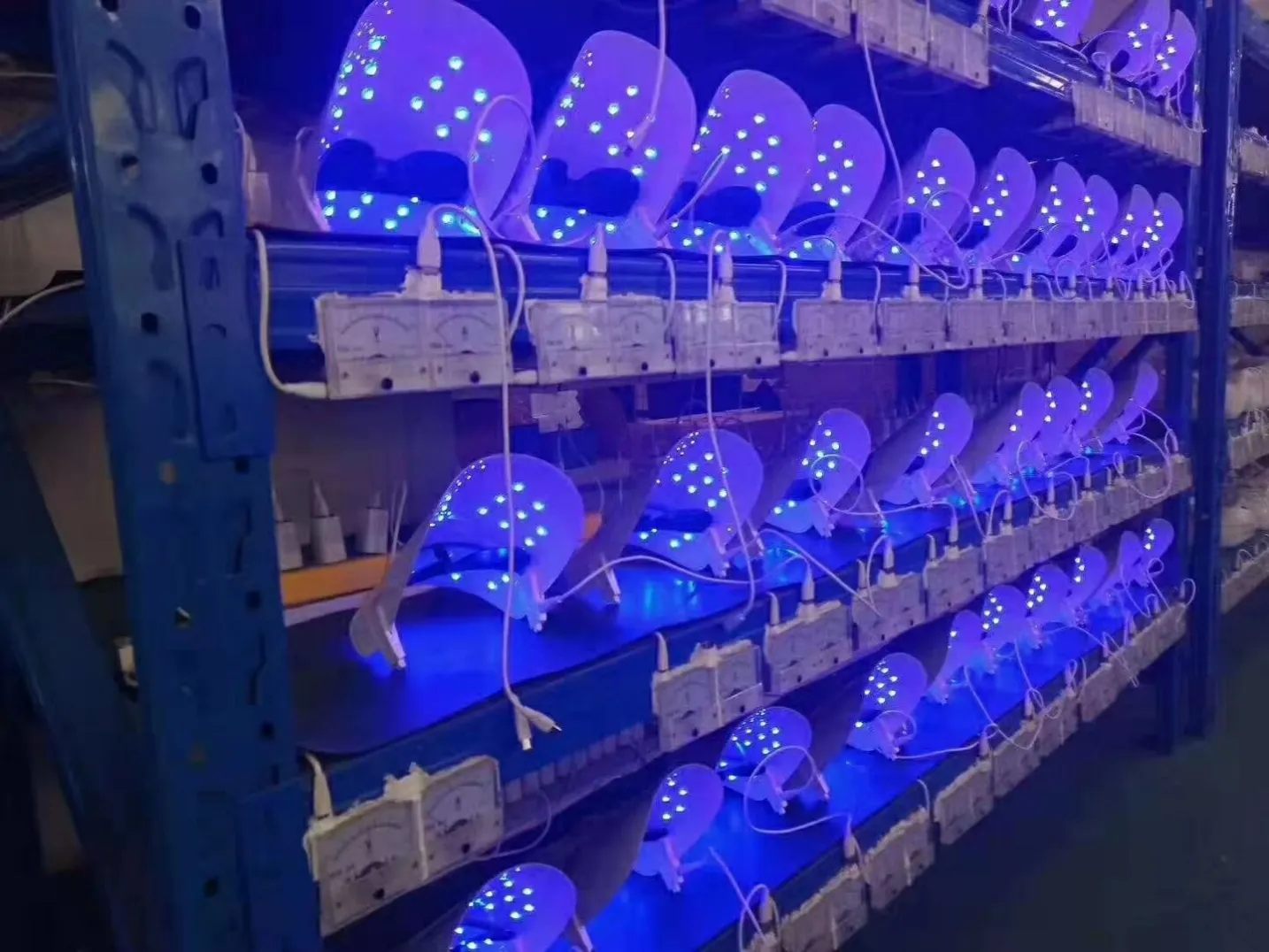
Confirm you're actually talking to a factory
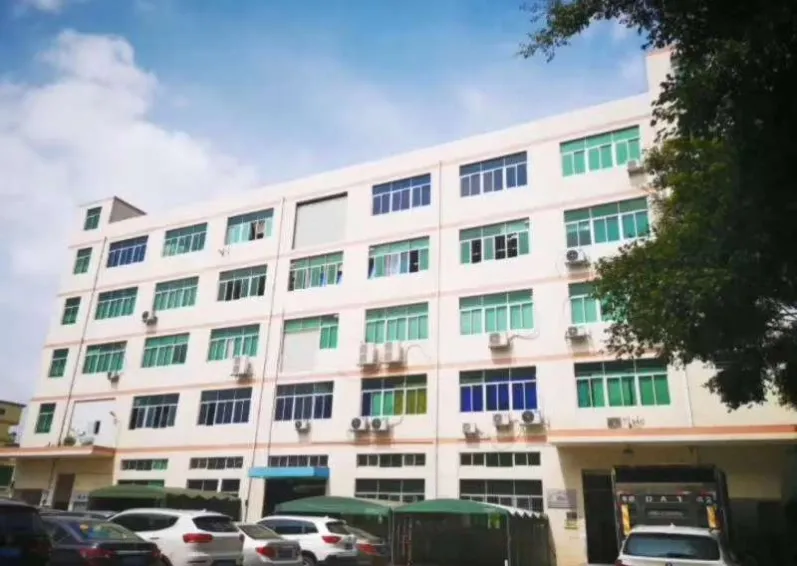
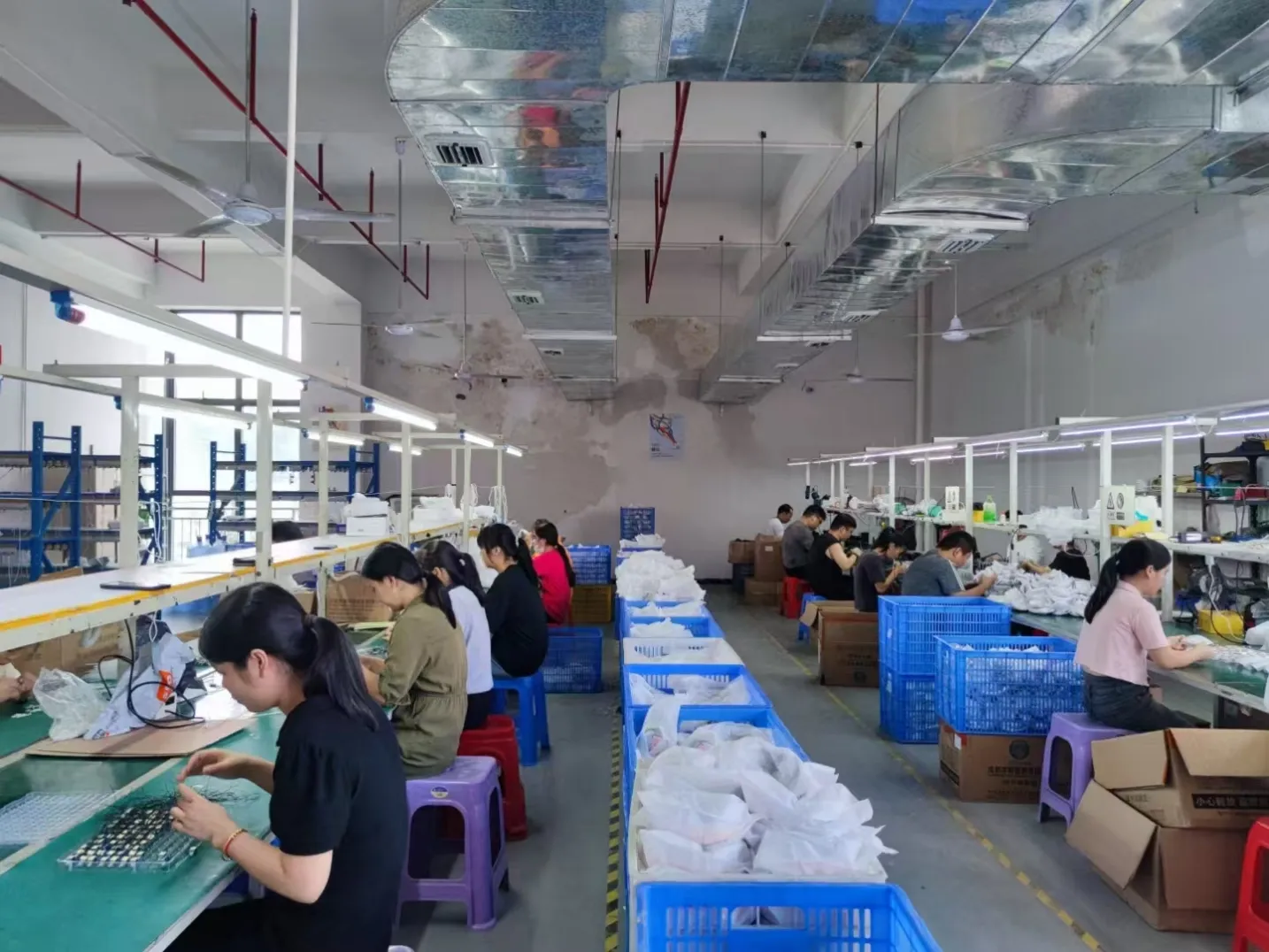
A fair number of "manufacturers" listed online are trading companies working with a factory behind the scenes — which usually means a 15–30% markup and no real control over quality or changes. Ask for their business registration, and push for a live video walkthrough of the actual assembly and testing floor, not just photos. A real factory does this regularly with buyers and won't hesitate.
What QC should actually cover at a reliable LED beauty mask manufacturer
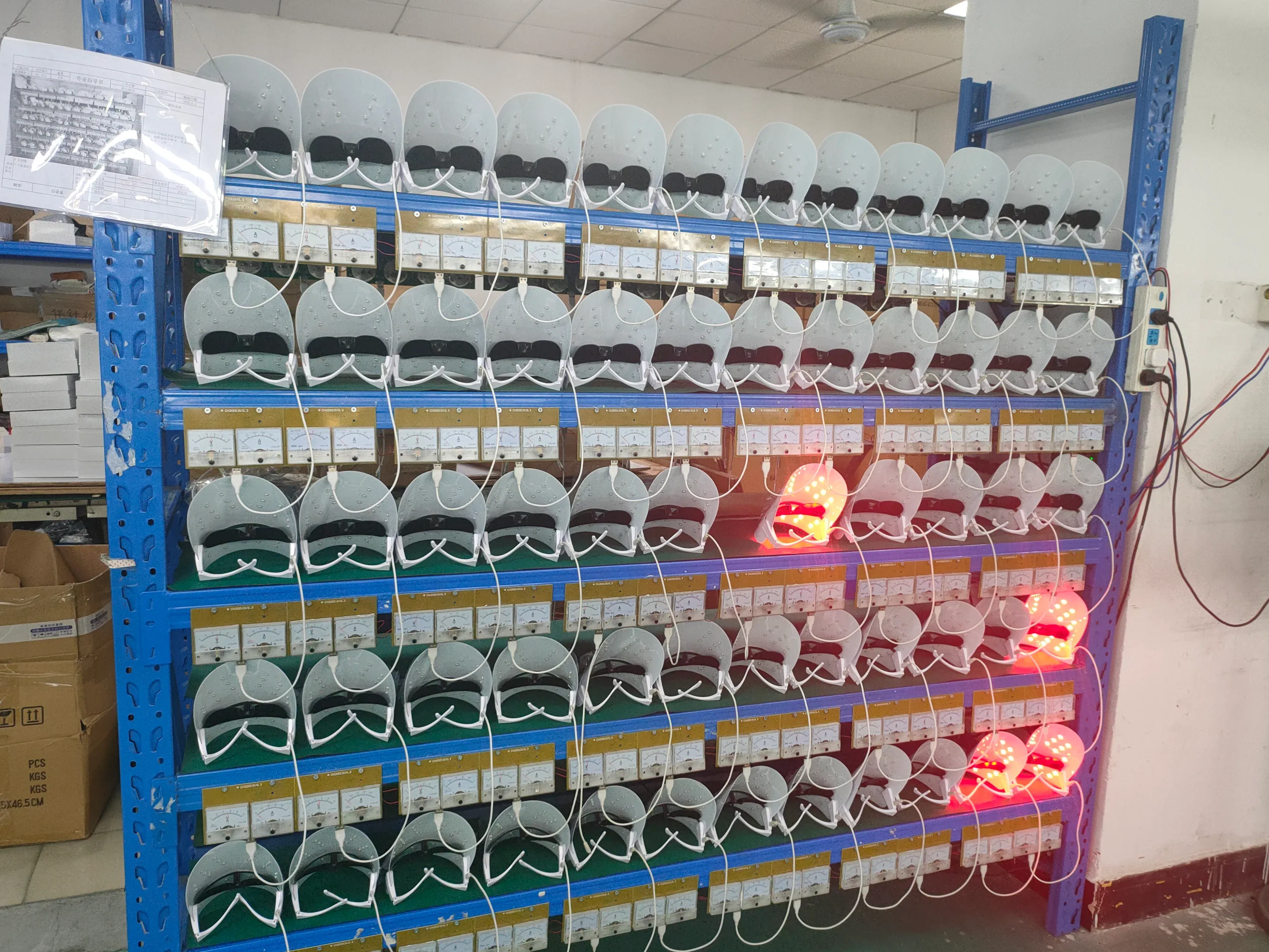
"We have quality control" doesn't tell you much on its own. Ask specifically what gets checked — electrical safety, LED function, heat management, and general build and appearance — and whether that happens on every unit or a sample batch. Aging tests (running units over an extended period to catch early failures) matter more here than for a lot of other electronics, since a heat or LED issue that shows up after a few weeks of use is exactly the kind of thing that turns into returns.
Ask if they'll share inspection reports before shipping. Factories that answer this with specifics, rather than general reassurance, are usually the ones actually doing it.
MOQ and how ODM actually works for this category
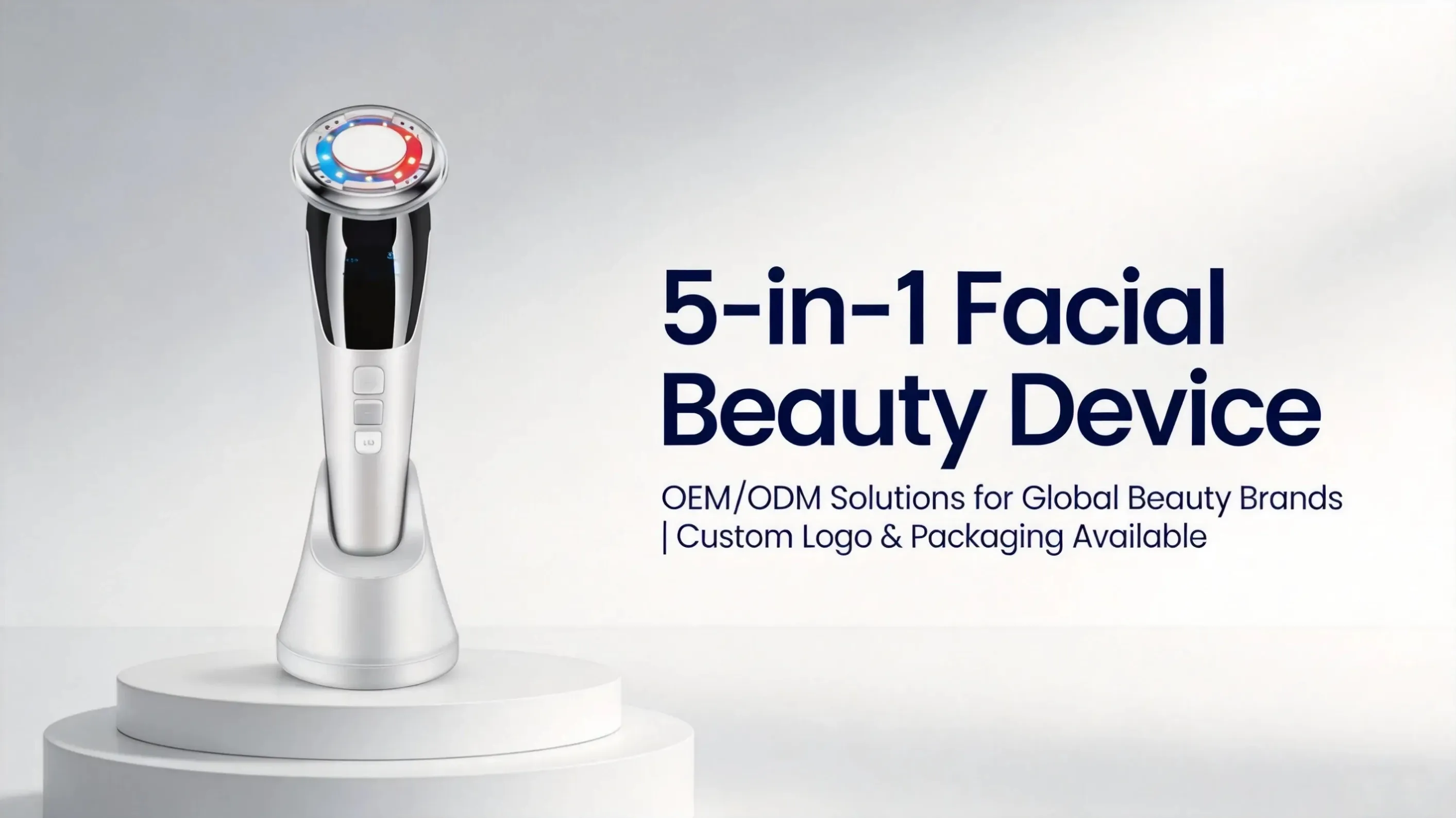
Most beauty brands entering this space go the ODM route — starting from an existing, proven mask design and adding their own logo, packaging, and branding, rather than developing something from scratch. It's faster and cheaper to get to market, and for a first launch it's usually the more sensible starting point.
Ask for the MOQ on both the standard product and a private-label version, since these are often different numbers, and get clear on exactly what's customizable — logo and packaging are usually standard, but ask specifically if color options or minor function changes are on the table too.
On pricing, don't expect a single number until you've been specific about what you want — cost depends on LED count and configuration, materials, MOQ, and how much customization you're asking for. A factory that gives you a real quote only after asking these questions is usually more trustworthy than one that fires back a price instantly with no clarifying questions at all.
Lead time is worth pinning down early too. For an ODM order with standard specs, production typically runs 15–25 days once the design and packaging are confirmed — ask for a stage-by-stage breakdown (tooling if needed, production, QC, shipping prep) rather than a single combined number, so you know where the time is actually going.
Don't skip the sample
Get a physical sample before committing to a full order, every time. It's the only way to actually judge the LED output, how the mask feels against the face, and the overall build quality — a spec sheet can't tell you any of that. A factory that's confident in their product will send samples without much friction and will work with you on adjustments, rather than treating it as a final, non-negotiable version.
A few things worth being cautious about
- No certifications or test reports they're willing to actually show you
- Vague or evasive answers about LED wavelength and how it's tested
- No verifiable factory address or unclear production capability
- Reluctance to send a sample or provide a written quotation
Any one of these alone isn't necessarily disqualifying. Two or three together usually means it's worth looking elsewhere.
FAQ
What's the difference between a good LED mask and a cheap one, if they look similar? Mostly what's inside — LED wavelength accuracy and consistency, and how well heat is managed during use. Two masks can look nearly identical on the outside and perform very differently, which is why asking about testing matters more than judging by appearance.
Is ODM enough, or do I need full OEM for an LED mask? For most first-time beauty brands, ODM covers what's actually needed — a proven design with your branding on it. OEM (custom mold, custom internals) makes sense if you have specific technical requirements an existing design doesn't meet, but it costs more and takes longer.
What certifications should I actually ask for? CE and RoHS at minimum for the EU, FCC for the US. Ask for the test report itself, not just a claim, and confirm it matches the exact model you're ordering.
How long does a sample usually take? For an existing mask design with just logo and packaging changes, generally a matter of days to about a week. Custom color or shape changes will add time for tooling adjustments.
How long does production take after the sample is approved? For a standard ODM order, typically 15–25 days from confirmation to shipping-ready, though this depends on order size and how much customization is involved.
About ZonyouTech
ZonyouTech is an original factory in Shenzhen manufacturing massage and beauty devices, including LED beauty masks, skin-import devices, and RF beauty devices. We run our own production lines with LED wavelength testing built into QC, hold CE, FCC and RoHS certification, and support ODM with flexible low MOQ and typical lead times of 15–25 days for beauty brands.
Want to see how we vet our own process? Take a look at our quality control page, or request a sample and quotation — our team responds within 24 hours.