Aug 18, 2026Sourcing Guide
How to Choose an Eye Massager Manufacturer in China (2026 Guide)
A practical guide to vetting eye massager manufacturers in China — factory credentials, CE/FCC/RoHS certifications, MOQ, QC and lead times for OEM/ODM buyers.

If you're building an eye massager line, the supplier you pick will shape almost everything downstream — your margins, your return rate, and eventually your brand's reputation. This is a device that sits directly on someone's eyes. A weak motor, a heating element that runs hot, or a battery that wasn't tested properly isn't just a quality complaint — it's a safety complaint, and those show up in reviews fast.
Below is what actually matters when you're vetting a factory, based on the questions buyers should be asking before they wire a deposit.
1. Make sure you're talking to a factory, not a middleman
A lot of "manufacturers" on B2B platforms are trading companies reselling capacity from two or three actual factories. That's not automatically a dealbreaker, but you should know which one you're dealing with, because it changes your pricing and your leverage when something goes wrong.
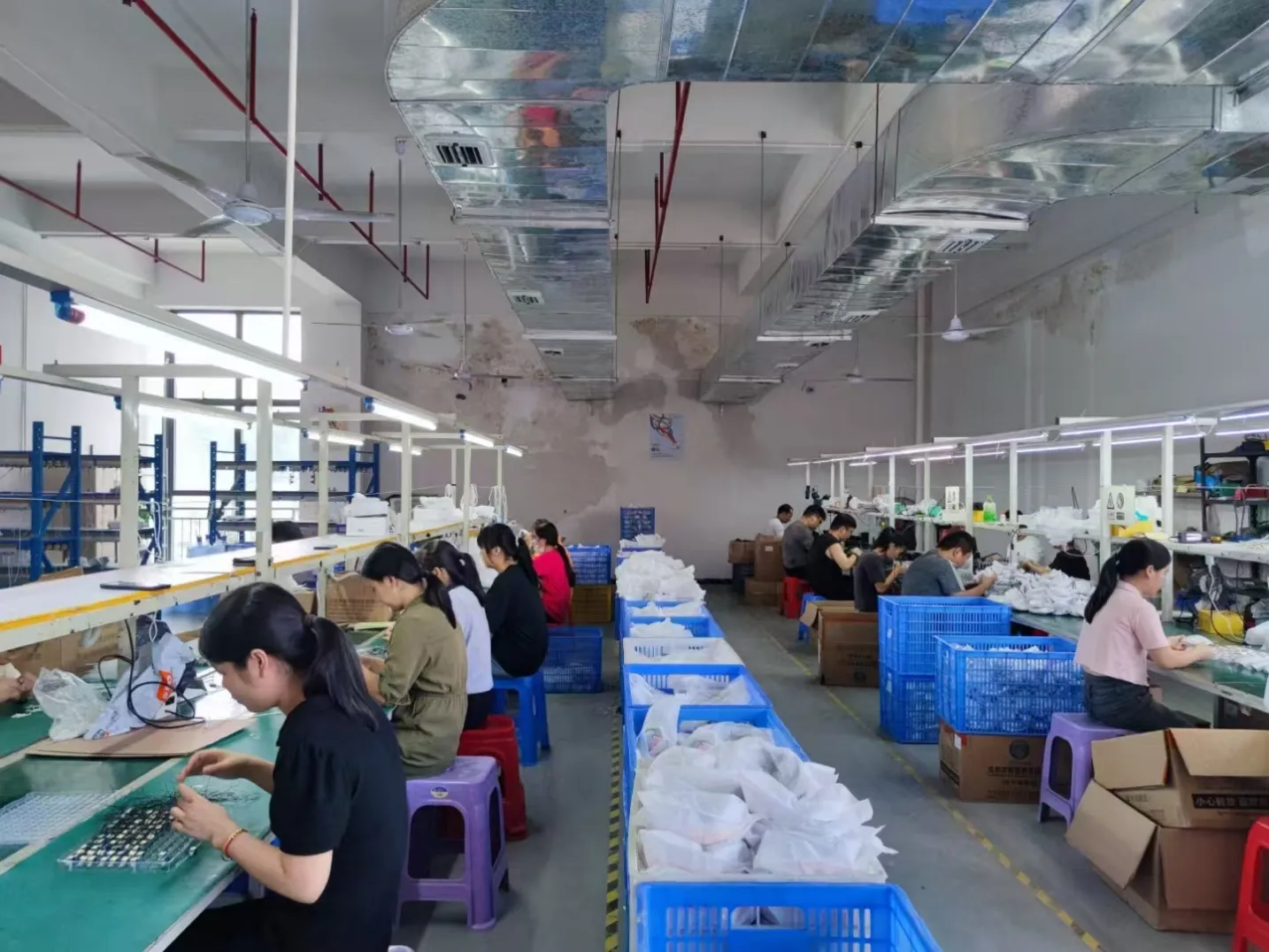
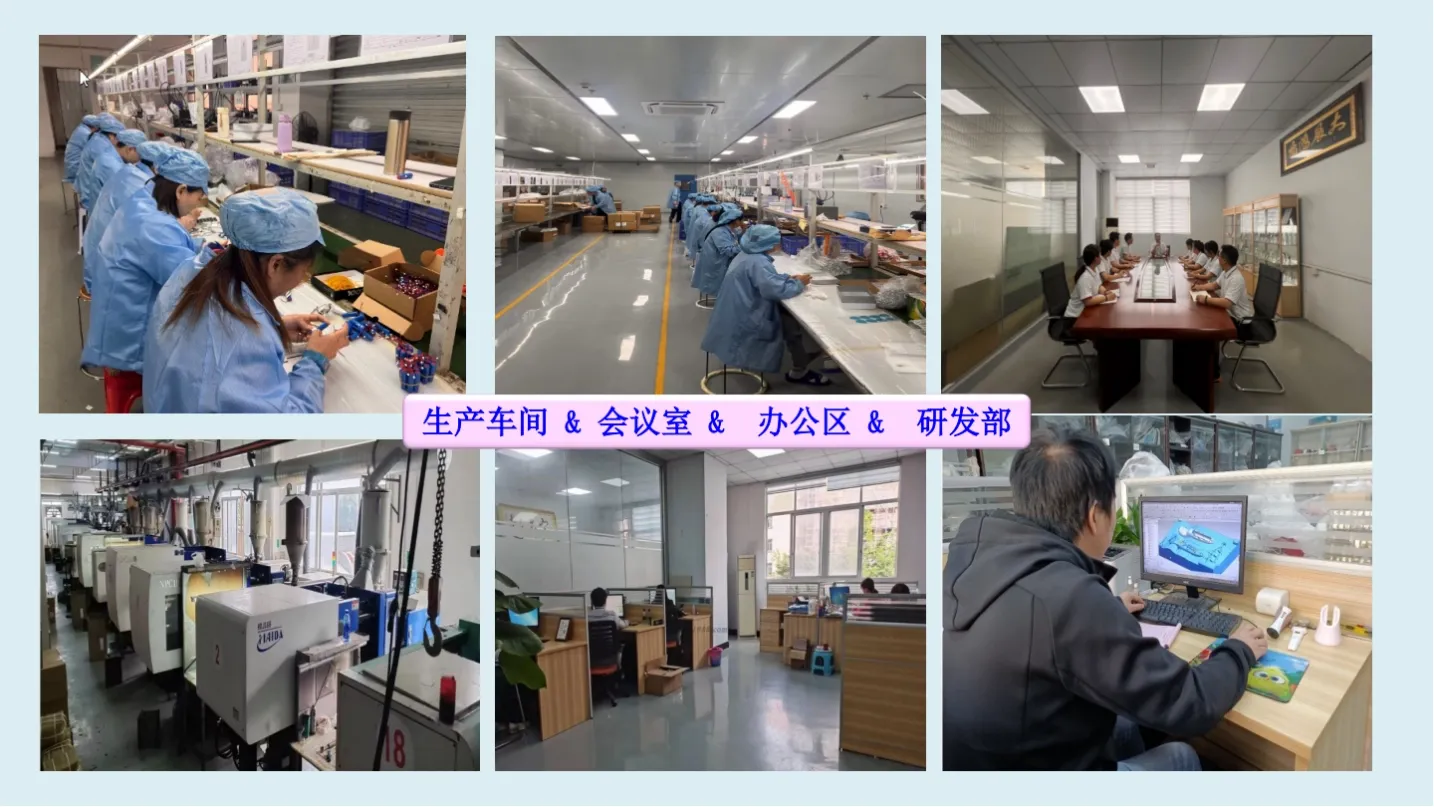
Ask for the business license, and ask to see the production floor — photos aren't enough on their own, so push for a live video call walking through the assembly and testing lines. A real factory won't hesitate; they do this call weekly with other buyers. Trading companies tend to get vague here, or offer to "arrange a visit" that never quite happens. The markup for going through a middleman is usually somewhere in the 15–30% range, and you lose direct control over changes to materials, or QC.
2. Certifications aren't paperwork — they're what keeps the product legal to sell
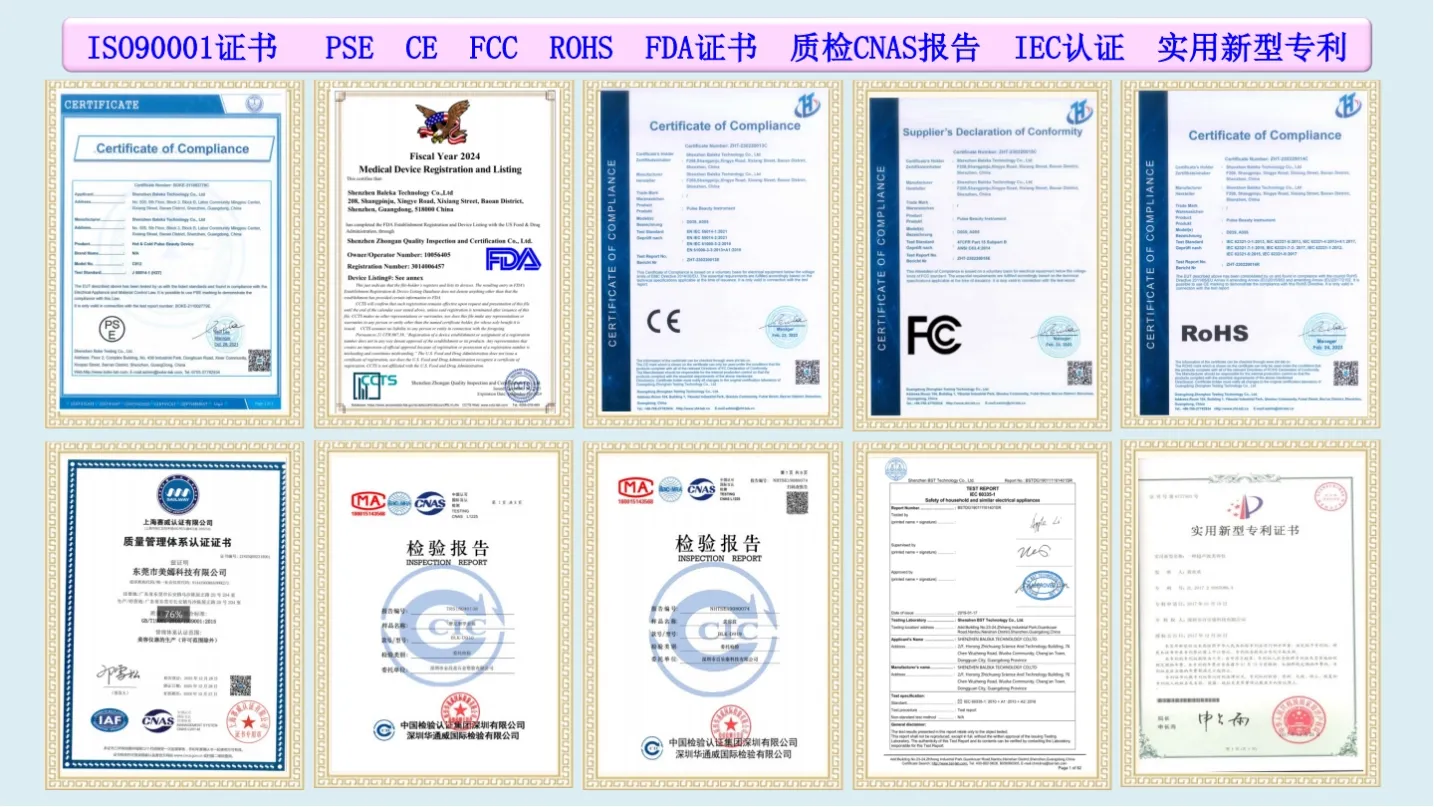
If you're shipping to the EU or US, CE, FCC and RoHS aren't optional. Don't just ask "do you have certification" — ask for the actual test reports, and check that the certificate covers this product model, not a similar one from their catalog. It's common for factories to show a certificate for an older or different SKU when a new model hasn't been tested yet.
If your target market has additional requirements — battery transport documentation (UN38.3) for air freight, for instance — ask specifically. This is one of the areas where a five-minute conversation upfront saves weeks of customs delays later.
3. Get real numbers on MOQ,/products not a range
"MOQ is flexible" usually means the real number depends on what you're asking for. Standard, off-the-shelf models will have a lower MOQ than anything with custom branding, a new shell color, or packaging changes. Ask for both numbers separately, and ask what changes if you want a smaller first order to test the market — some factories will do a reduced first run at a slightly higher unit cost, which is often worth it for a first launch.
4. Ask how they actually test units, not just whether they do
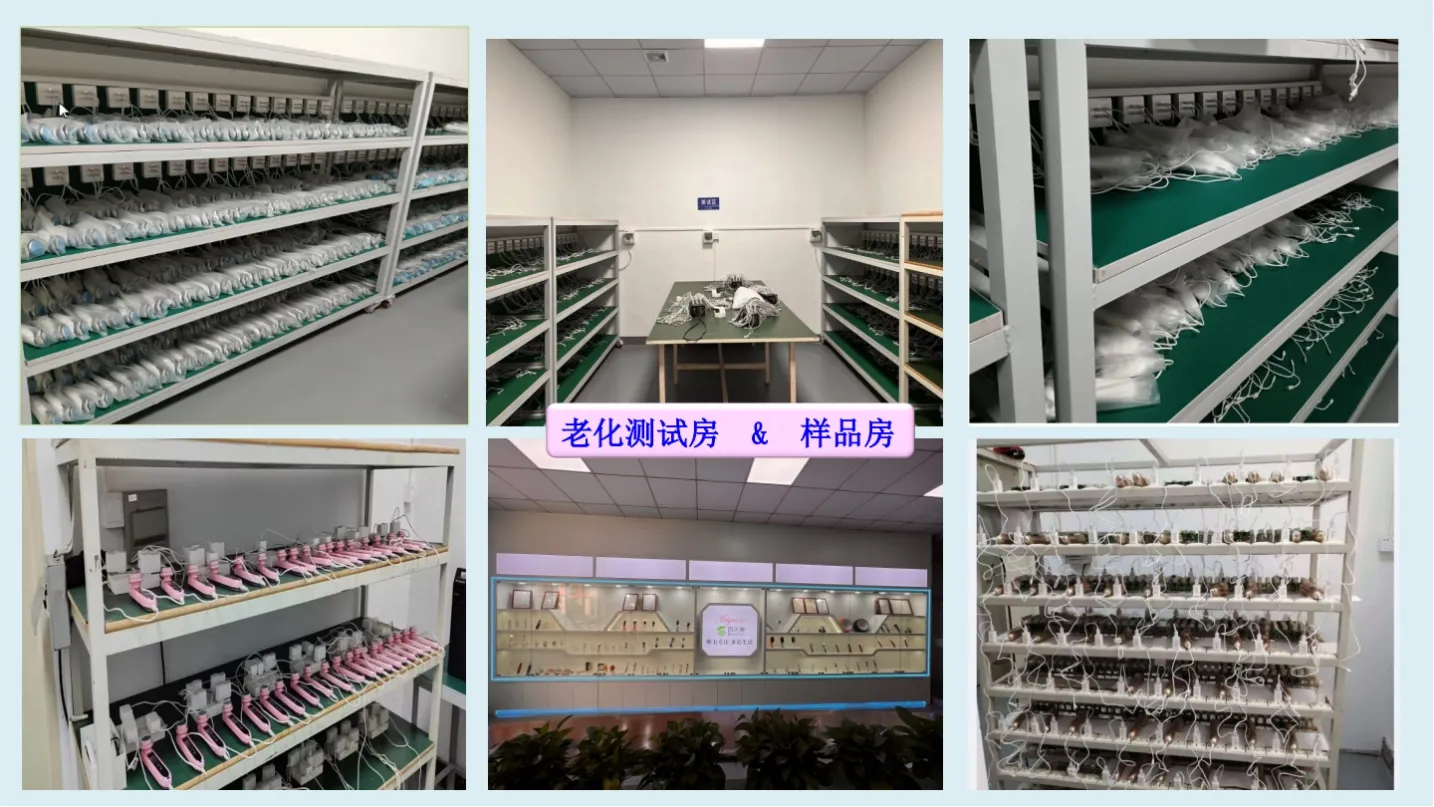
"We have QC" isn't an answer. Ask what gets checked — motor function, heat output, vibration consistency, electrical safety — and whether that's done on every unit or a sample batch. Aging tests (running units continuously to check for early failure) matter more for a device like this than for most consumer electronics, because a heating element failing after 40 hours of use is exactly the kind of thing that turns into a product liability problem.
Ask if they'll share inspection reports, and how many checkpoints exist between raw materials and the finished, boxed unit. A factory that can answer this in specifics, rather than in general reassurances, is usually the one that actually does it.
5. Get a lead time in writing, and ask what happens before it
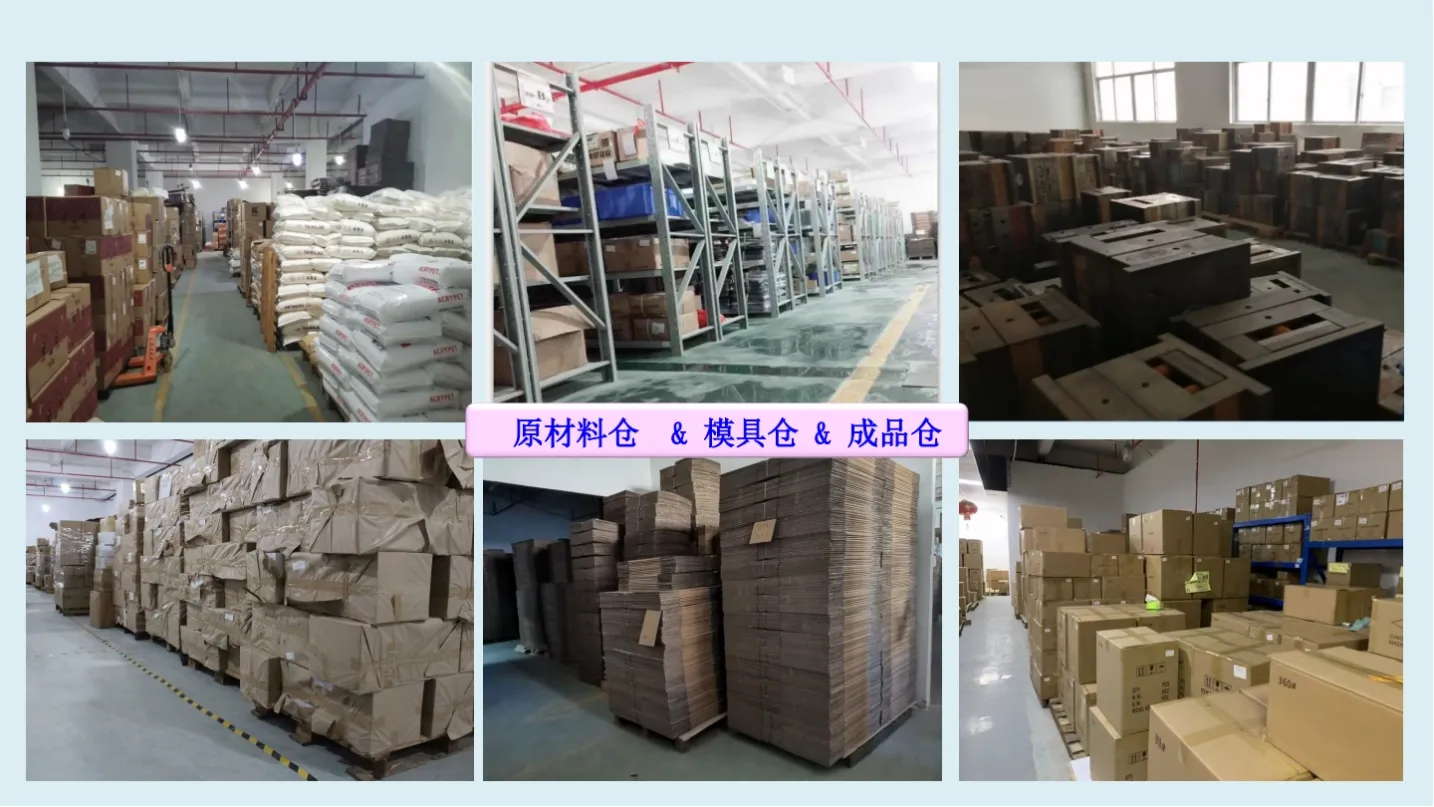
Production lead time is only part of the timeline. Ask how long tooling takes if you need any custom parts, how they handle export documentation, and who arranges freight forwarding. A factory that gives you a clear breakdown — not just "15–25 days" — is one that's run this process enough times to know where delays usually happen.
6. Don't skip the sample
This is the step people skip when they're in a hurry, and it's almost always a mistake. A sample tells you things a spec sheet can't — how the unit actually feels against your face, whether the heat ramps up too fast, whether the vibration motor is noisy. A supplier that's confident in their product will send samples without much friction and will actually work with you on adjustments afterward, rather than treating the sample as a take-it-or-leave-it final product.
Red flags worth walking away from
- No address you can verify, or vague answers about production capacity
- Certification answers that are confident but non-specific ("yes we have CE" with no report to show)
- A price that's noticeably below everyone else, with no explanation of how they're hitting it
- Reluctance to send a sample, or to put a quotation in writing
None of these are automatically disqualifying on their own, but two or more together is usually a sign to keep looking.
FAQ
What's a typical MOQ for a private-label eye massager?
It varies by factory and by how much customization you want. Always ask for both figures directly rather than a single blended number.
How long does a sample take?
For an existing model with no modifications, a few days to about a week is typical. If you're asking for shell color changes or a new logo, add time for tooling and mold adjustments.
Do I need CE, FCC, and RoHS for every market?
CE covers the EU, FCC covers the US, and RoHS is a materials-safety standard expected in both. If you're selling elsewhere, check what that market requires separately — don't assume one certificate covers every region.
What should I ask about QC before placing a full order?
Ask what's tested on every unit versus a sample batch, whether aging tests are performed, and whether they'll share an inspection report before shipment.
About ZonyouTech/contact-us
We're an original factory in Shenzhen with 15 years in massage and beauty device manufacturing, running our own production lines for eye massagers — not outsourcing to a third party. We hold CE, FCC and RoHS certification, support OEM/ODM and private-label orders, and typical lead times run 15–25 days depending on customization.
If you'd like to see the production line yourself before committing to anything, we're happy to set up a video call. Request a sample and quotation and our team will get back to you within 24 hours.